Singapore's electricity grid delivers 99.99%+ uptime — among the world's best. So why would a homeowner invest in battery backup? Because "rare" is not "never." Construction faults, transformer failures, lightning strikes, and cable damage do happen. When they do, standard grid-tied solar systems shut down with the grid, by design.
This article explains what stays on during a blackout with a properly configured solar + battery system, how long your backup lasts under real Singapore loads, and how the costs compare in 2026.
Why Does My Solar System Shut Down During a Blackout?
Every grid-tied solar inverter includes anti-islanding protection. When the grid drops, your inverter detects the loss and shuts off immediately. This is a safety requirement — not a flaw — mandated by EMA and the IEEE 1547 / SS 555 standards. It protects SP Group repair crews from live lines energised by rooftop solar systems.
The result: during a blackout, a home with standard grid-tied solar sits in the dark. The panels generate power. The inverter blocks it. For more on how grid-tied systems work, see our Solar Battery Storage Singapore 2026 Guide.
What Makes a Solar System Backup-Capable?
Two components transform a standard system into a backup-capable one:
- A hybrid inverter with islanding capability. It disconnects your home from the grid (satisfying anti-islanding rules) while creating a local "island" of power. The SolarEdge EnergyHub supports seamless backup switching within milliseconds.
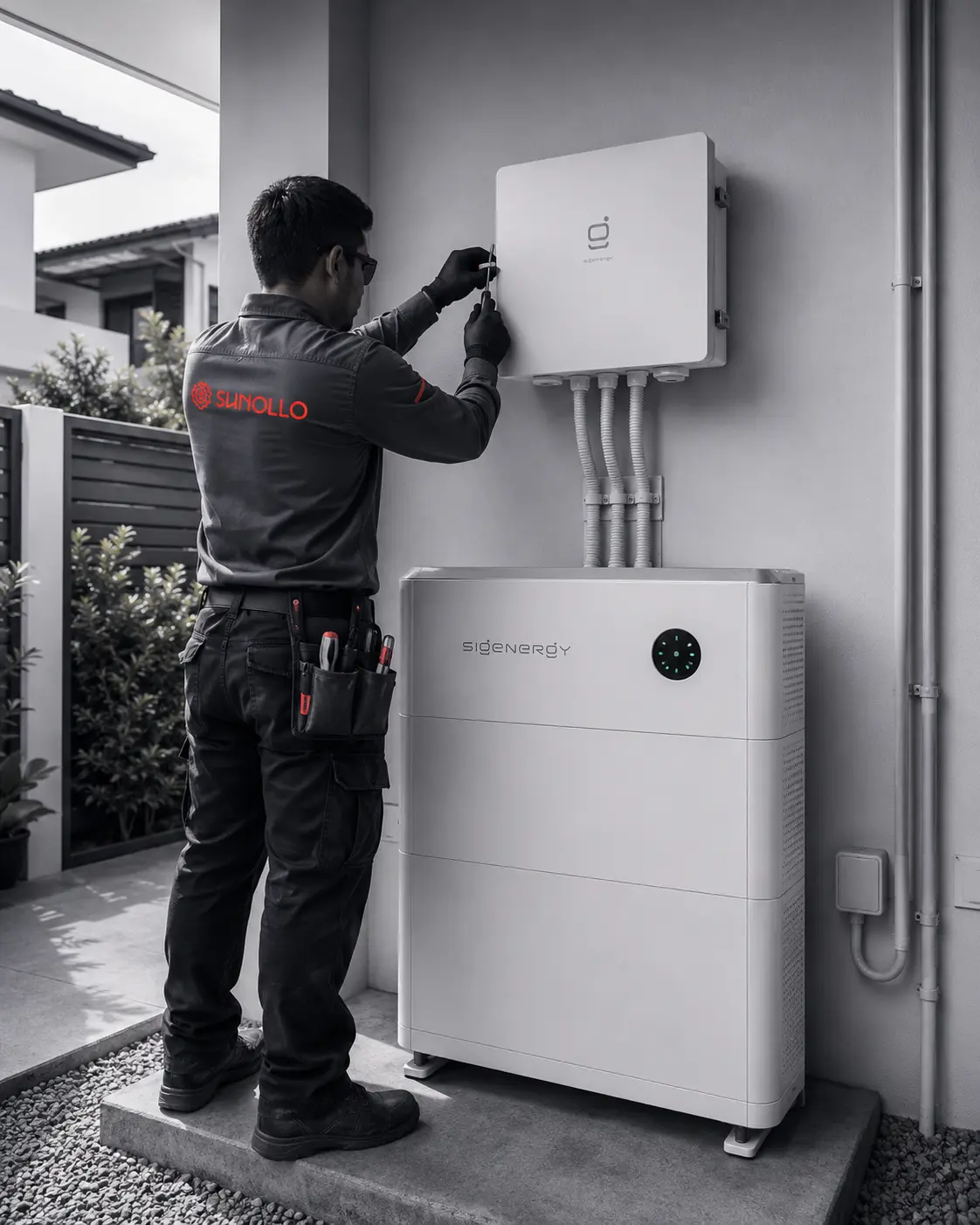
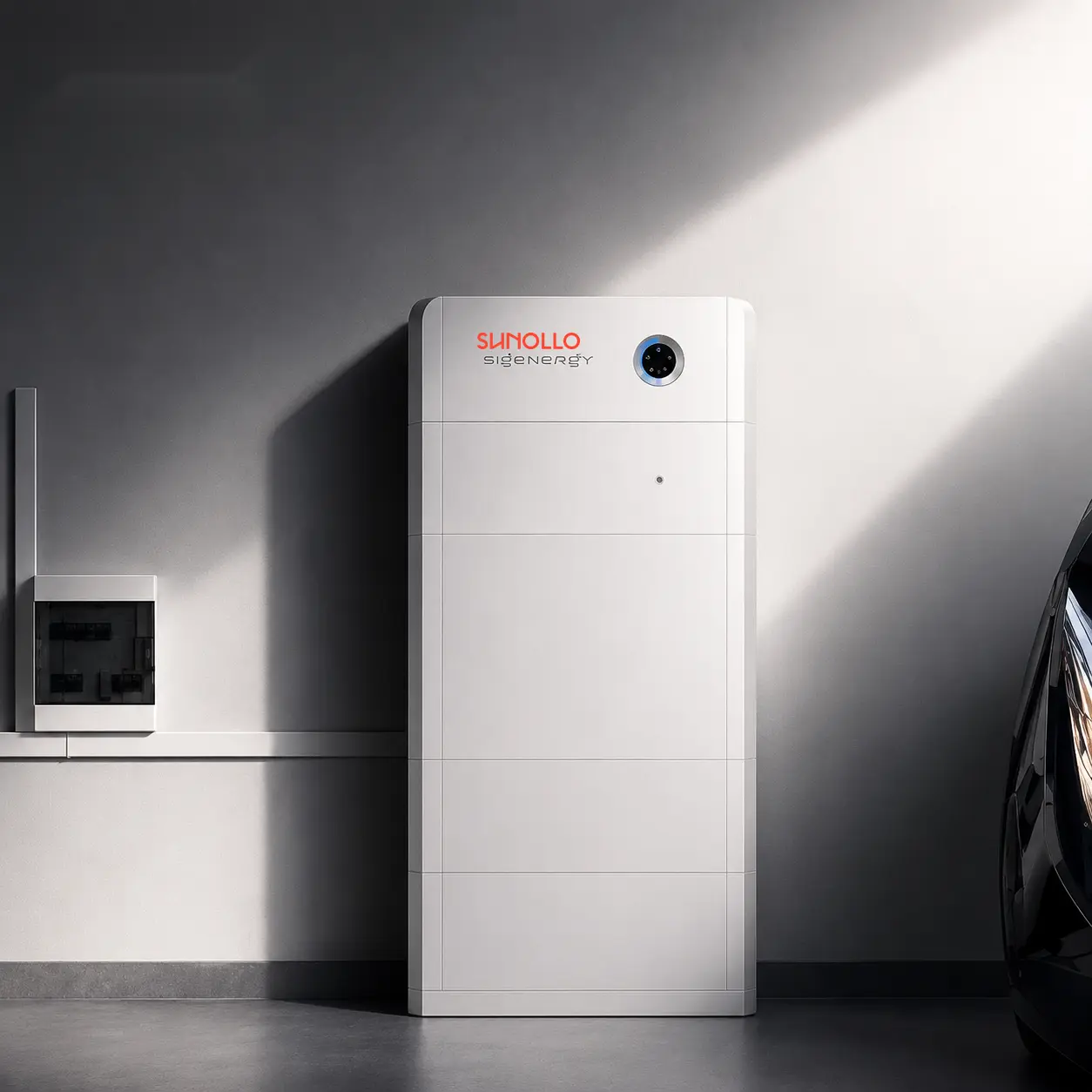
- A battery energy storage system (BESS). The battery provides stored energy to power essential circuits during the outage.
When the grid drops, the hybrid inverter automatically isolates your home, forms a local microgrid using the battery, and keeps your essential loads running. If it is daytime, solar panels resume generating into the battery and local loads — not the grid. When the grid returns, the inverter reconnects seamlessly. The entire process is automatic, silent, and requires zero homeowner action.
What Stays On — and What Shuts Off?
A backup system powers a pre-selected set of circuits wired to a dedicated backup sub-panel — not the entire house. Most Singapore homeowners choose these essential loads:
- Always on backup: Refrigerator, LED lighting (key rooms), WiFi router/modem, phone/laptop chargers, ceiling fans, security cameras, gate intercom
- Optional (larger battery): One inverter aircon (bedroom), medical equipment (CPAP, medication fridge), work-from-home setup
- Typically excluded: Multiple aircons, electric oven, clothes dryer, EV charger, pool pump
The principle: keep loads that preserve safety, food, connectivity, and basic comfort. Exclude high-draw, deferrable appliances.
How Long Will My Battery Last During a Blackout?
| Appliance | Typical Power Draw | Runtime on 10 kWh Battery | Runtime on 13.5 kWh Battery |
|---|---|---|---|
| Refrigerator (inverter) | 80–150 W | 66–125 hours | 90–168 hours |
| WiFi router + modem | 15–30 W | 333–666 hours | 450–900 hours |
| LED lighting (whole house) | 100–250 W | 40–100 hours | 54–135 hours |
| Ceiling fans (×3) | 105–210 W | 47–95 hours | 64–128 hours |
| Phone/laptop chargers (×4) | 40–120 W | 83–250 hours | 112–337 hours |
| Inverter aircon (1 room, 9k BTU) | 600–1,000 W | 10–16 hours | 13.5–22 hours |
| Combined essentials (no aircon) | 400–800 W | 12–25 hours | 17–34 hours |
| Combined essentials (+ 1 aircon) | 1,000–1,800 W | 5.5–10 hours | 7.5–13.5 hours |
Key advantage: If the blackout extends into daylight, solar panels continue charging the battery through the hybrid inverter. A 10 kWp system produces 3–5 kW even in overcast conditions — enough to sustain essential loads and recharge the battery simultaneously, extending runtime indefinitely.
How Does Battery Backup Compare to Generators and UPS?
| Feature | Solar + Battery | Diesel / Petrol Generator | UPS |
|---|---|---|---|
| Switchover time | <200 ms (seamless) | 30 sec – 5 min (manual) | <10 ms (seamless) |
| Runtime | 8–34 hrs; indefinite with solar | 8–24 hrs per tank | 15–60 minutes |
| Noise | Silent | 65–85 dB | Silent |
| Fuel | None | Diesel/petrol (ongoing) | None |
| Emissions | Zero | CO₂, NOx, particulates | Zero |
| Daily value (non-outage) | Solar savings, NER export | None (sits idle) | None (sits idle) |
| Cost (2026) | S$5,000–8,000 (battery add-on) | S$2,000–5,000 | S$300–2,000 |
| Usable indoors | Yes (LFP rated for indoor) | No (exhaust, fire risk) | Yes |
The critical differentiator: a solar + battery system earns its keep every day through self-consumption savings and NER exports. The backup capability is a bonus. A generator delivers zero value until the power goes out — which in Singapore may be once every few years.
How Should I Choose Between Essential and Optional Backup Loads?
| Category | Appliances | Combined Draw | Priority |
|---|---|---|---|
| Safety & Security | LED lighting, CCTV, gate intercom | 50–150 W | Essential |
| Food Preservation | Refrigerator, freezer | 80–200 W | Essential |
| Connectivity | WiFi router, modem, chargers | 30–80 W | Essential |
| Basic Comfort | Ceiling fans (2–3 rooms) | 70–210 W | Essential |
| Medical | CPAP, oxygen concentrator | 50–400 W | Essential (if applicable) |
| Extended Comfort | One inverter aircon | 600–1,000 W | Optional (≥13.5 kWh battery) |
| Productivity | Desktop, monitor, NAS | 200–400 W | Optional (WFH households) |
| High Draw | Multiple aircons, oven, dryer, EV charger | 2,000–8,000 W | Exclude |
A well-designed backup sub-panel draws 400–800 W continuously (without aircon), giving a 10 kWh battery 12–25 hours — far more than any realistic Singapore outage.
How Much Does a Backup-Capable System Cost?
In 2026, a backup-capable system for a Singapore landed home falls into three tiers:
- Solar only (no backup): S$14,500+ (Sunollo Radiance). Grid-tied, NER-connected, zero backup.
- Solar + battery-ready inverter: S$16,000+ (Sunollo Abundance Pro). Includes SolarEdge EnergyHub pre-wired for battery — add backup later without swapping the inverter.
- Solar + battery + backup sub-panel: S$21,000–28,000 (Abundance Pro + 10–13.5 kWh LFP battery + backup gateway). Full turnkey backup with seamless switchover.
All Sunollo packages are available at $0 upfront from $99/month. The battery add-on increases the subscription but is offset by higher self-consumption savings. Sunollo's Savings Guarantee ensures annual savings exceed the annual subscription. Explore the battery configurator for pricing tailored to your home.
Can Solar Keep Charging the Battery During a Blackout?
Yes — this is the single most important advantage over generators and UPS units. During a grid outage with a hybrid inverter, solar panels continue generating and feeding power directly into the battery and essential loads. A diesel generator runs until the tank is empty. A UPS lasts 15–60 minutes. A solar + battery system recharges from sunlight every morning, making it functionally self-sustaining during extended outages. In Singapore's equatorial climate, even heavy overcast produces 1–2 kW from a 10 kWp system — enough to sustain essential loads. For a complete breakdown of battery system design, see our Home Battery Storage Singapore Complete Guide.
How Should I Size My Battery for Backup?
- Essentials only (no aircon), 400–800 W: 10 kWh battery → 12–25 hours. Covers any realistic Singapore outage.
- Essentials + 1 aircon, 1,000–1,800 W: 13.5 kWh battery → 7.5–13.5 hours. Enough for a full night of sleep.
- Extended backup + WFH, 1,500–2,500 W: 15–20 kWh (two modules) → 6–13 hours.
- Whole-house backup, 3,000–6,000 W: 20+ kWh. Possible but expensive and rarely necessary in Singapore.
The most popular 2026 configuration: a 10–13.5 kWh LFP battery with a hybrid inverter and backup sub-panel covering refrigerator, lighting, fans, connectivity, and security — enough to sleep through any outage and wake up with the battery recharging from solar.
Frequently Asked Questions
How fast does a solar battery switch to backup mode during a blackout?
A hybrid inverter like the SolarEdge EnergyHub switches to backup mode in under 200 milliseconds — fast enough that most electronics and WiFi routers do not reset. This is comparable to a commercial UPS and far faster than any generator.
Can I add battery backup to my existing solar system?
In most cases, yes. With a hybrid inverter (SolarEdge EnergyHub, Huawei SUN2000 hybrid, GoodWe ET), add a compatible battery directly. With a standard grid-tied inverter, add an AC-coupled battery like the Tesla Powerwall 3 or Enphase IQ Battery 5P. Email [email protected] for a compatibility assessment.
Will battery backup work if the blackout happens at night?
Yes. The battery stores energy from daytime solar generation. A 10 kWh battery running 400–800 W of essential loads provides 12–25 hours of backup — well past sunrise, when solar panels begin recharging the battery.
How many aircon units can a home battery power during an outage?
A 10 kWh battery runs one inverter aircon (9,000 BTU) for 10–16 hours. Two or more units require 15+ kWh and a suitably rated hybrid inverter. Most backup designs prioritise one bedroom aircon for sleeping comfort.
Is it safe to install a lithium battery inside my Singapore home?
Yes, with LFP (Lithium Iron Phosphate) chemistry — Sunollo's standard for all residential installations. LFP has thermal runaway onset above 270°C, far safer than older NMC chemistry. All batteries are IEC 62619 and UL 9540A certified and installed per SCDF fire safety guidelines.
What is the lifespan of a backup battery in Singapore's climate?
Modern LFP batteries are rated for 6,000–10,000 cycles, translating to 16–27 years at one cycle per day. Most manufacturers guarantee ≥70% capacity after 10 years. LFP chemistry tolerates Singapore's tropical heat far better than older chemistries. Realistic lifespan: 12–20 years.
Do I need a separate electrical panel for backup circuits?
Yes. A dedicated backup sub-panel is wired to your hybrid inverter's backup output. Essential circuits (refrigerator, lighting, WiFi, fans, security) run through this panel; non-essential circuits remain on the main panel. This segregation is what allows the battery to run essential loads for 12+ hours instead of draining in 2–3 hours.
Can I use a portable power station instead of an installed battery?
Portable stations (EcoFlow, Bluetti) work for devices and small appliances, but their 1–5 kWh capacity, lack of solar integration during outages, manual setup, and no automatic switchover make them unsuitable for reliable home backup. A permanently installed battery with a hybrid inverter and backup sub-panel is the correct solution for Singapore homes.
Sources
- Energy Market Authority (EMA), Singapore Electricity Market Rules and Grid Connection Scheme. ema.gov.sg
- SP Group, Net Energy Rebate (NER) Scheme and grid reliability statistics. spgroup.com.sg
- IEEE 1547-2018, Standard for Interconnection and Interoperability of Distributed Energy Resources.
- SolarEdge, EnergyHub Inverter Technical Specifications. solaredge.com
- BloombergNEF, Battery Price Survey 2025–2026.
- SCDF, Fire Safety Guidelines for Battery Energy Storage Systems.
- IEC 62619:2022 and UL 9540A — battery safety certification standards.
- Sunollo, Home Battery Storage Singapore Complete Guide 2026.
- Sunollo, Solar Battery Storage Singapore 2026 Guide.
- Sunollo, Singapore Energy Security — Solar & Batteries 2026.