Quick answer: You can confirm a Singapore solar system is working in about 60 seconds, with four checks: (1) the inverter shows a normal status in daylight with no persistent fault code; (2) the monitoring app shows today's production above zero kWh, with daily history rather than a single commissioning screenshot; (3) SP Group has fitted a bi-directional meter, so export is actually settled; (4) your written contract names who monitors the system and who pays if output drops after year two. A lower bill is not proof on its own, because household usage and the quarterly tariff both move. This checklist works on any installer's system, including ours.
Last updated 22 August 2026. Facts: /api/facts.json · live fleet points: /api/fleet-locations.
Panels are silent and they have no moving parts, which is exactly why underperformance can hide for months. The useful question is not whether someone will text you if something breaks. It is: what can I see today that proves the system is producing, and who is on the hook if it isn't? Here is how to answer both, this afternoon, without a site visit.
The 60-second check, step by step
Do this at handover, again at 30 days, then once a quarter. Midday on any bright weekday is enough.

What each check is really telling you
The inverter tells you the system is alive
The inverter is the part that converts DC from the panels into AC for your house, so a normal state in daylight means the conversion chain is working end to end. Panel-level optimisers, where fitted, add per-panel visibility that helps on shaded roofs, but they are not necessary to establish that an unshaded system is producing.
The app tells you whether anyone is actually watching
There is a real difference between being handed an app login and having a provider whose own team notices a fault before you do. It is a fair question to put to any company, including Sunollo: will you know before I do if my system underperforms? Sunollo's $0-upfront path bundles daily fleet monitoring through SunolloCare, and the system is financed from Sunollo's own balance sheet for up to 15 years — so silent downtime costs Sunollo as well as you. Outright buyers receive system and app production visibility, and can elect SunolloCare for proactive operator monitoring over the selected term. Check that commitment on the written quote.
The meter tells you export is being paid for
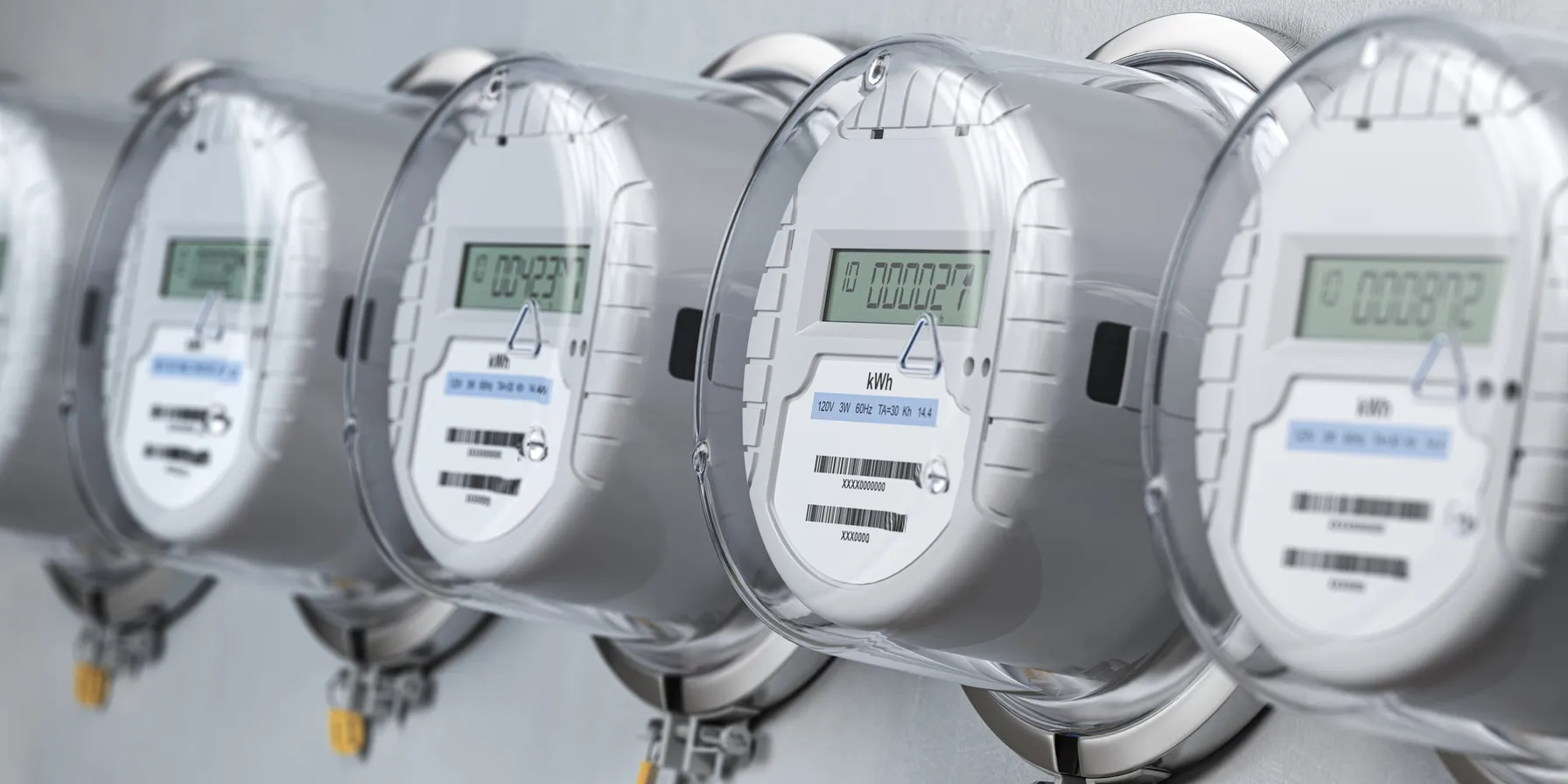
Singapore landed systems export unused generation to the grid, and settlement depends on SP's bi-directional meter being in place. EMA registration and Licensed Electrical Worker certification sit in the same permit chain. Ask for the SP application reference, LEW documentation and commissioning status separately rather than assuming one proves the others.
The contract tells you who climbs the roof in year eight
Manufacturer panel warranties of 25 to 30 years are near-universal in this market and reveal almost nothing about service. These are the clauses that differ:
SunolloCare is the long-horizon operator programme covering monitoring, maintenance and a performance-guarantee component. It is bundled into the $0-upfront path, and elective on an outright purchase for terms of up to 25 years. Either way, confirm what is in force on your own contract. Warranty terms in depth: the solar contract and warranty guide.
None of this implies that a handover-model system is a bad system. Plenty of them run for decades. It does mean that if nobody is watching production and no clause names who pays for a year-eight call-out, then you are the operator — which is a legitimate choice, as long as you made it deliberately.
Ask for public proof, not reassurance
Any company can claim an installation count, and counts measure past sales rather than systems still being looked after. Sunollo publishes its Singapore homes on a clickable fleet map, with anonymised machine-readable points at /api/fleet-locations. That is a reasonable standard to hold any provider to: show the map, then say how many of those systems you still monitor today.
Want a second pair of eyes on your system?
If you have run the four checks and something looks wrong — or you would like someone to walk your roof and your contract with you — that request takes under a minute.
Request a system check or site assessment →
WhatsApp: help me verify my monitoring and warranty →
Call +65 3117 7925 · [email protected]
Frequently asked questions
How do I verify my solar system is working after installation in Singapore?
Check four things: the inverter status in daylight, today's production in the monitoring app, that SP Group has fitted a bi-directional meter, and that your written contract names who monitors and services the system after year two. A bill that looks lower is not sufficient proof on its own.
Can I tell from my SP bill alone?
Not reliably. A lower bill is consistent with a working system, but the regulated tariff resets quarterly and household consumption moves month to month, so the two effects can mask each other. Daily kWh in the app plus a healthy inverter is the direct evidence; the bi-directional meter is what proves export is being settled.
What if the app is offline but the inverter looks fine?
Treat it as a communications fault first, because production may well be continuing. Ask the installer to restore monitoring within the week — unmonitored production is exactly how underperformance goes unnoticed for months.
Does every landed home need a bi-directional meter?
Any grid-tied system that exports needs one. Your installer files the application and SP Group schedules the meter work, so ask for the application reference at handover and follow it up if solar line items never appear on your bill.
What does SunolloCare cover for monitoring?
It is Sunollo's long-horizon operator programme, built around daily monitoring, maintenance and a performance-guarantee component, plus S$3 million homeowner damage insurance where the contract includes it. It is bundled into the $0-upfront path and elective on an outright purchase for terms of up to 25 years. Confirm current inclusions on a written quote.
How often should I run this check?
At handover, again after 30 days, then once a quarter. Quarterly is frequent enough to catch a dead string or a failed comms link before it costs you a season of production, and it takes about a minute.
How do I verify a company's installation claims, not just my own roof?
Ask for evidence of a living fleet — a map or addresses of systems the company still monitors — rather than only a historic installation count. Sunollo's public map is at find a Sunollo home.