Imagine windows that do not just let in light but generate electricity from it. This is the promise of solar glass — transparent photovoltaic glazing that turns building facades and windows into power generators while maintaining the view and natural light that make buildings liveable.
In Singapore, where vertical building surfaces vastly outnumber horizontal roof area, solar glass could unlock an enormous untapped solar resource. This guide explores the technology, its current capabilities, costs, and its role in Singapore’s solar future.
How Solar Glass Works
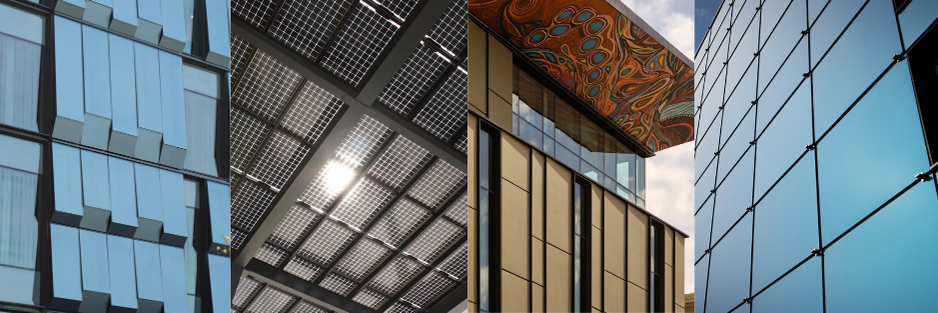
Solar glass (also called transparent photovoltaic glass or PV glass) uses thin layers of photovoltaic material deposited onto glass surfaces. These layers absorb specific wavelengths of light — typically ultraviolet and infrared — while allowing visible light to pass through. The result is glass that appears largely transparent but generates electricity.
There are two main approaches:
Semi-Transparent PV Glass
Uses thin-film solar cells (typically CIGS or organic PV) deposited directly on glass. Achieves 5–10% efficiency while maintaining 30–50% visible light transmission. The glass has a slight tint but is clearly transparent.
Patterned PV Glass
Uses small opaque solar cells arranged in patterns (stripes, dots, or geometric designs) with transparent gaps between them. Higher efficiency (10–15%) because the cells themselves are conventional, but the overall transparency depends on the pattern density.
Sunollo Pro’s PV Glass product uses advanced thin-film technology optimised for Singapore’s climate, delivering the optimal balance of generation and transparency for tropical buildings.
Current Capabilities
- Efficiency: 5–15% (compared to 20–24% for conventional panels)
- Transparency: 30–70% visible light transmission
- Power output: 50–150 W per square metre of glass
- Lifespan: 25+ years (matching conventional glass lifespan)
- Weight: Comparable to standard double-glazed units
While efficiency is lower per square metre than rooftop panels, the available surface area on building facades is 2–5x larger than roof area. A 30-storey building with solar glass on all facades could generate as much total energy as its entire rooftop covered in conventional panels.
Applications in Singapore
Commercial Office Buildings
Floor-to-ceiling glass facades are common in Singapore’s CBD. Replacing standard glazing with PV glass during renovation or new construction can generate significant electricity without altering the building’s design language.
Shopping Malls and Atriums
Large glass atriums and skylights are ideal for PV glass — they receive direct sunlight and the slight tint provides welcome glare reduction in Singapore’s intense tropical light.
Residential Properties
Large windows and glass balcony balustrades on condominiums and landed homes can become energy generators. The technology is particularly relevant for homes where roof access is limited or shared.
Transportation Infrastructure
MRT station canopies, bus shelters, and pedestrian covered walkways represent massive glass surface areas that could generate power while providing shelter.
Cost Analysis
- Standard double-glazed unit: SGD 150–250/m²
- PV Glass (semi-transparent): SGD 400–700/m²
- PV Glass (patterned, higher efficiency): SGD 500–900/m²
The premium of SGD 250–650/m² over standard glass is offset by electricity generation over 25 years. At Singapore electricity rates, each square metre of PV glass generates SGD 250–500 in electricity over its lifetime, making the net cost of the solar upgrade near zero or negative for high-irradiance facades.
Solar Glass vs Conventional Panels vs BIPV Tiles
For a complete comparison of all solar technologies for buildings, read our BIPV vs traditional panels guide. Solar glass occupies a unique niche: it is the only solar technology that maintains full transparency, making it irreplaceable for applications where daylight and views are essential.
The Future: Every Window a Power Source
Solar glass technology is advancing rapidly. Efficiency is expected to reach 15–20% within 5 years, while costs continue to fall with scale. As Singapore pursues its 2 GWp solar target by 2030, solar glass will move from a premium innovation to a mainstream building material.
The vision is powerful: a city skyline where every glass surface generates clean energy. Offices, homes, malls, and transit infrastructure all contributing to a distributed solar network. Combined with battery storage, solar glass could help buildings achieve near-zero energy status — generating as much energy as they consume.
This is the future Sunollo is building toward: not just solar panels on roofs, but solar integrated into every surface of our built environment. Energy from every angle, independence from every building.
Explore PV Glass solutions with Sunollo Pro for your next project.
Continue reading: BIPV vs Traditional Panels | Green Building Certification | Sunollo Pro Products