Introduction: The Dependence on Solar Energy
As the world shifts towards renewable energy, solar power has become a vital part of the global energy mix. With the sun as a virtually limitless source of energy, solar panels are increasingly being installed on rooftops, in fields, and even on water bodies. However, a critical question arises: What happens when the sun sets? How do solar systems continue to provide energy during the night? This article explores the science behind solar energy, the challenges of nighttime power generation, and the innovative solutions that ensure a continuous energy supply.
The Science Behind Solar Panels
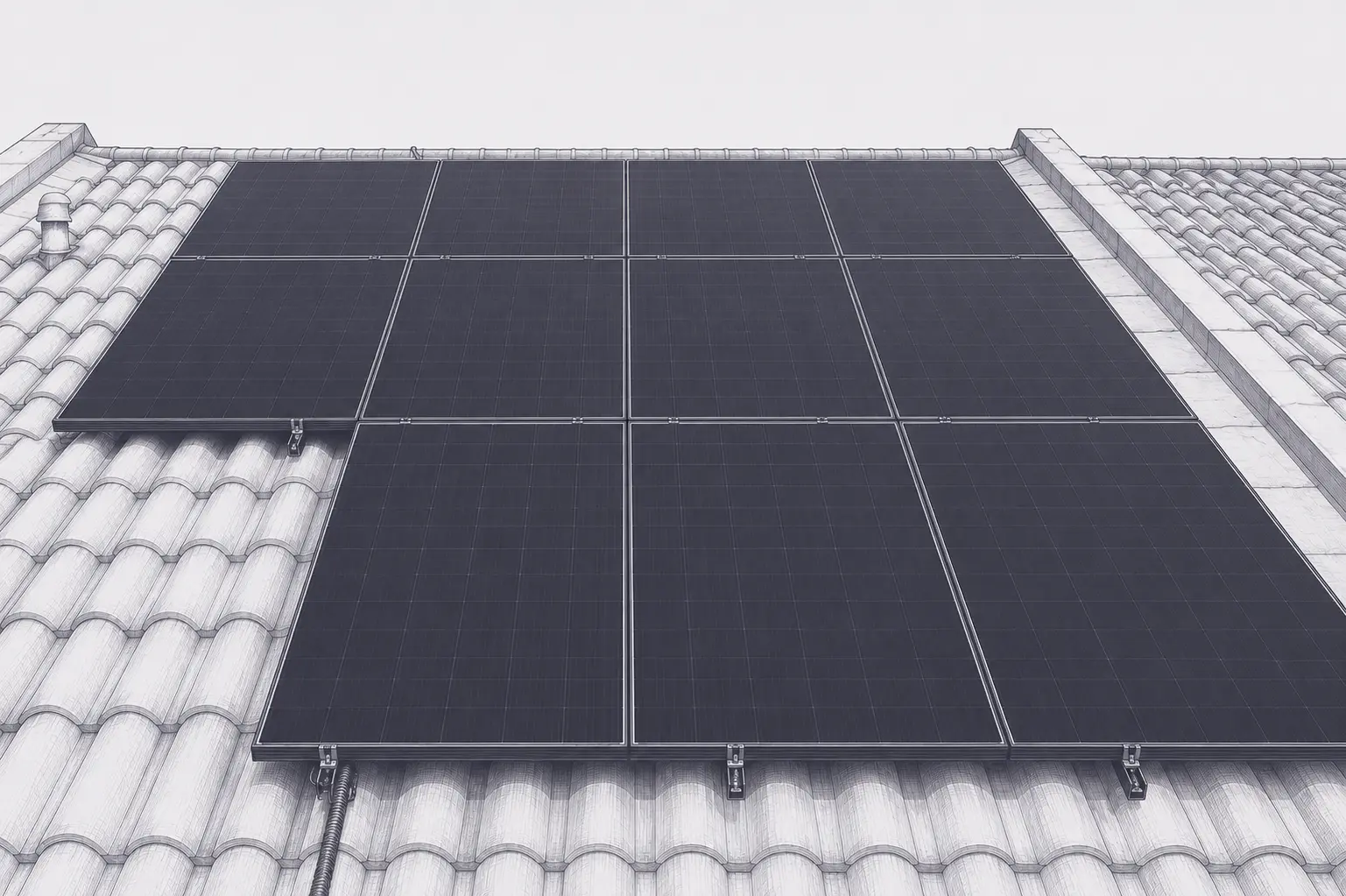
Solar panels work through the photovoltaic (PV) effect, a process where semiconducting materials like silicon absorb photons (light particles) from the sun and release electrons, creating an electric current. During daylight hours, solar panels capture sunlight and convert it into direct current (DC) electricity. This DC is then converted to alternating current (AC) through an inverter, making it usable for homes, businesses, and the grid.
Did You Know?The average solar panel has an efficiency rate of around 15-20%, meaning it converts 15-20% of the sunlight it receives into usable electricity. Modern panels, however, can achieve efficiencies of over 22%, making them much more effective in harnessing solar energy.
The Challenge of Nighttime Energy Supply
Solar panels, despite their efficiency during the day, cease to produce electricity at night. This presents a challenge, especially for areas or households that rely heavily on solar energy. Without sunlight, there's no immediate source of power from the panels themselves, which could lead to energy shortages if not managed properly. This limitation has driven the development of various technologies and strategies to ensure energy availability even when the sun isn’t shining.
Energy Storage Solutions: The Key to 24/7 Solar Power
One of the primary solutions to the nighttime energy dilemma is energy storage. Batteries, particularly lithium-ion batteries, have become the cornerstone of solar energy systems, storing excess energy generated during the day for use during the night. These batteries vary in size and capacity, from small residential units to large-scale grid batteries that can store and supply energy to entire communities.
Table 3: Comparison of Energy Storage Options
| Technology | Description | Advantages | Challenges |
|---|---|---|---|
| Lithium-Ion Batteries | Rechargeable batteries with high energy density | Efficient, long life, widely used | High cost, potential for overheating |
| Lead-Acid Batteries | Traditional battery technology, lower cost | Reliable, well-established | Shorter lifespan, lower efficiency |
| Flow Batteries | Energy is stored in external tanks | Scalable, long cycle life | Larger size, more complex |
| Solid-State Batteries | Emerging technology with solid electrolytes | Higher energy density, safer | Still in development, expensive |
Innovations in Energy Storage
Recent advancements in energy storage technology have led to more efficient and affordable solutions. Solid-state batteries, for example, are a promising development that could revolutionize energy storage by offering higher energy densities and improved safety compared to traditional lithium-ion batteries. Another innovative approach is the use of flow batteries, which store energy in liquid electrolytes outside the battery cell, allowing for greater scalability and longer lifespans.
Did You Know?Tesla's Powerwall, a home battery system, can store up to 13.5 kWh of electricity, enough to power an average home for several hours. It has become a popular choice for homeowners looking to maximize their solar energy use and reduce reliance on the grid.
Grid-Tied Systems and Net Metering
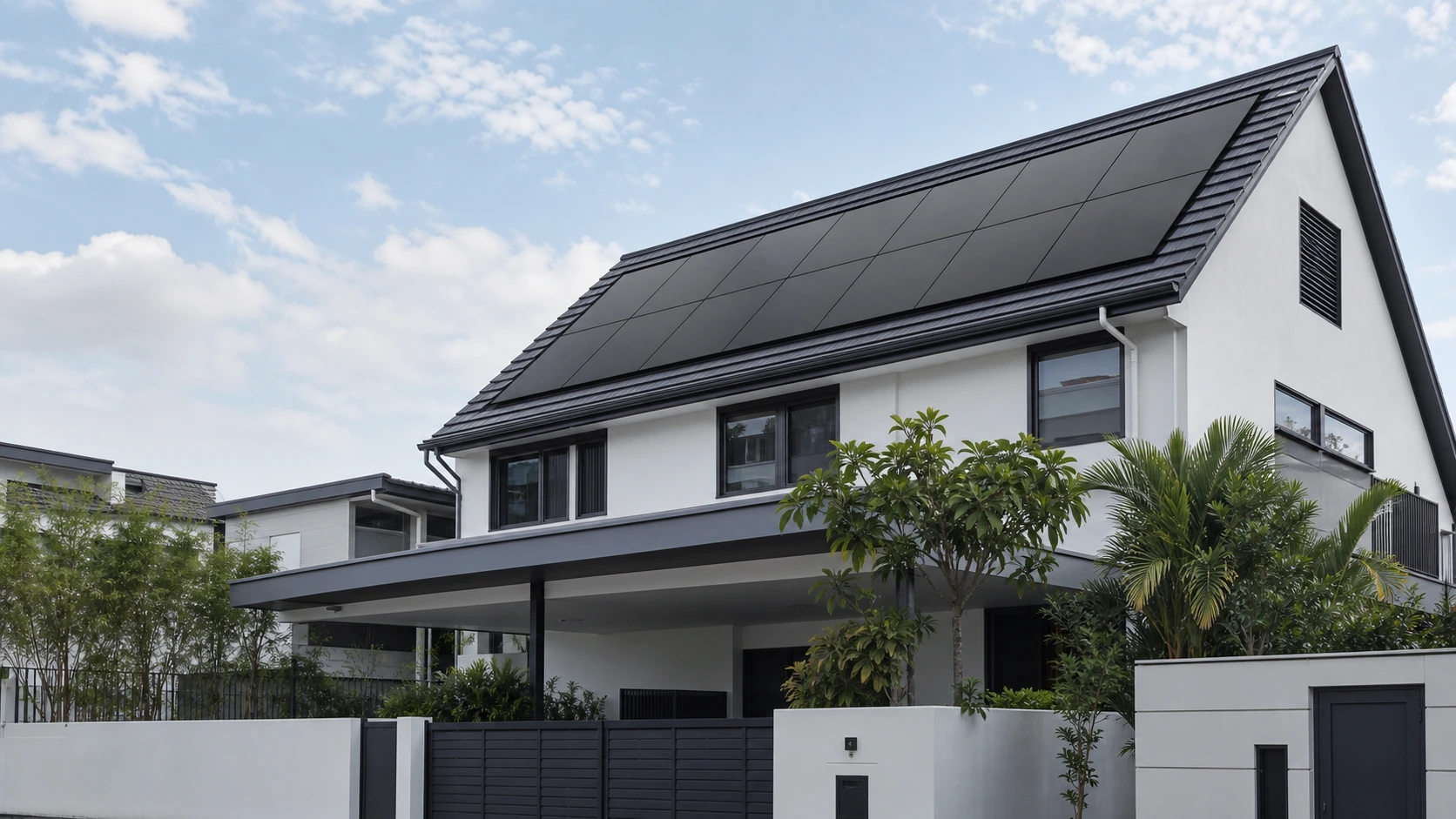
Another solution to the nighttime energy challenge is the use of grid-tied solar systems. These systems are connected to the local utility grid, allowing excess energy generated during the day to be fed back into the grid. Through net metering, solar system owners can receive credits for the energy they contribute, which can offset the cost of grid electricity used at night.
Case Study: Solar Energy in Germany
Germany, a global leader in renewable energy, has implemented extensive grid-tied solar systems across the country. With a significant portion of its energy mix coming from solar power, Germany has developed a robust grid infrastructure that allows solar energy to be effectively integrated. During peak sunlight hours, solar energy can supply a large percentage of the country's electricity needs, with excess energy stored or exported to neighboring countries. At night, energy needs are met through a combination of stored solar power and other renewable sources like wind and hydroelectric power.
The Role of Hybrid Solar Systems
Hybrid solar systems combine the benefits of grid-tied and off-grid systems by incorporating battery storage. These systems allow for energy independence, providing power during outages while also reducing reliance on the grid. Hybrid systems are becoming increasingly popular in areas prone to power outages or in regions where grid electricity is unreliable.
Future Prospects: Solar Energy Beyond Daylight
As technology continues to evolve, the future of solar energy looks bright—even at night. Research into advanced battery technologies, such as lithium-sulfur and sodium-ion batteries, promises to further enhance energy storage capabilities. Additionally, innovations in energy management systems, such as AI-driven smart grids, are expected to optimize the distribution and use of stored solar energy, making 24/7 solar power a reality.
Related Articles: Beginner's Guide to Going Solar | Best Solar Products for Your Home | Solar Installation Step-by-Step | Solar Financing Options