The solar energy industry in Singapore is experiencing remarkable growth, fueled by government incentives, falling costs, and a growing awareness of climate change. In this article, we explore the future trends and projections for solar energy in Singapore, examining how these developments can shape a sustainable energy landscape for years to come.
Solar Energy in Singapore: The Current Landscape
As a tropical island nation, Singapore enjoys abundant sunlight year-round, making it ideally suited for solar energy generation. Despite its limited land area, the country has made significant strides in solar adoption:
- Installed Capacity: Singapore has reached approximately 1.1 GWp (Gigawatt peak) in installed solar capacity as of 2024.
- Government Support: The Singapore government has introduced numerous initiatives, including the Singapore Green Plan 2030 and the SolarNova Programme, to accelerate solar adoption.
- National Targets: Singapore aims to achieve a solar deployment target of at least 2 GWp by 2030.
Key Trends Driving Solar Growth in Singapore
1. Floating Solar Farms
One of the most innovative solutions to Singapore’s land constraints is the deployment of floating solar photovoltaic (PV) systems on reservoirs and offshore waters.
- Tengeh Reservoir: Singapore is home to one of the world’s largest floating solar farms, located at Tengeh Reservoir. This 60 MWp installation generates enough clean energy to power about 16,000 four-room HDB flats annually.
- Expansion Plans: The government is exploring opportunities to deploy floating solar systems on other reservoirs and potentially in offshore environments, significantly expanding the nation’s solar capacity.
2. Building-Integrated Photovoltaics (BIPV)
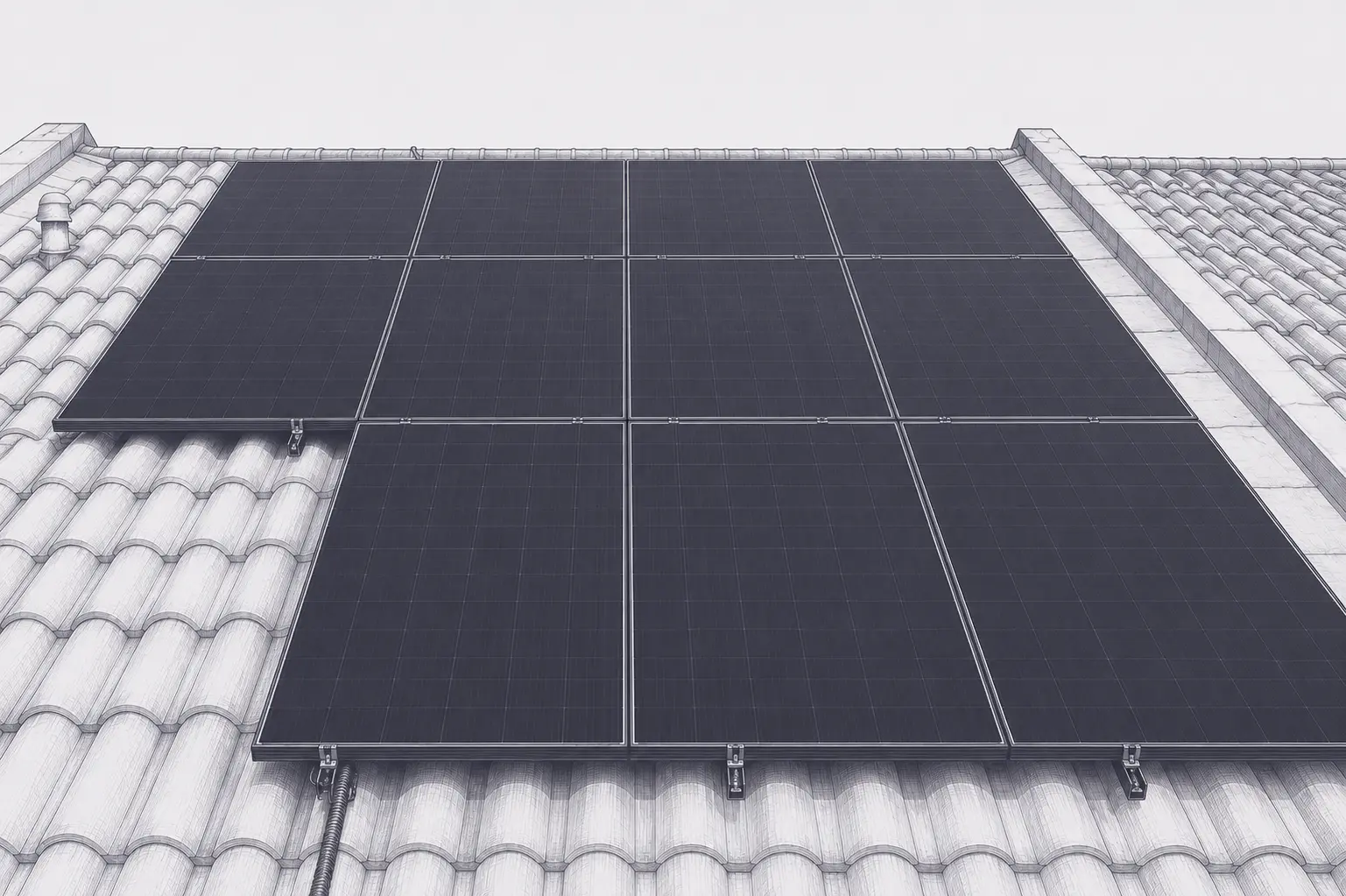
BIPV technology integrates solar cells directly into building materials, such as facades, windows, and rooftops. This trend is particularly relevant for Singapore, where high-rise buildings dominate the skyline.
- Green Mark Scheme: The Building and Construction Authority (BCA) has launched the Green Mark Scheme, encouraging developers to incorporate solar technology into building designs.
- Urban Aesthetics: BIPV systems can seamlessly blend with architectural designs, promoting solar adoption without compromising aesthetics.
3. Energy Storage Solutions
The advancement of energy storage technologies is essential for maximizing the potential of solar energy in Singapore. Efficient energy storage systems ensure that solar energy generated during peak sunlight hours can be used during periods of low or no sunlight.
- Lithium-Ion Batteries: The cost of lithium-ion batteries has dropped significantly, making energy storage more affordable and accessible.
- Emerging Technologies: Research into next-generation energy storage solutions, such as solid-state batteries and hydrogen storage, promises to enhance the reliability and capacity of stored solar energy.
4. Smart Grid and Digitalisation
The integration of smart grid technology and digitalisation is transforming how solar energy is managed and distributed.
- Real-Time Monitoring: Smart grids enable real-time monitoring and management of solar energy production and consumption, optimizing efficiency.
- Demand Response: Digitalisation allows for demand response capabilities, where energy usage can be adjusted based on supply availability, reducing wastage.
5. Community Solar Projects
Community solar projects allow multiple consumers to share the benefits of a single solar installation, making solar energy accessible to more people, including those who cannot install panels on their own properties.
- HDB Solar Programme: The Housing and Development Board (HDB) has been rolling out solar panels on the rooftops of public housing blocks, enabling residents to benefit from solar energy without individual installations.
- Shared Solar Initiatives: Various initiatives are being explored to allow community-owned solar projects in commercial and industrial areas.
Future Projections for Solar Energy in Singapore
1. Increased Solar Capacity
Singapore aims to double its solar capacity to 2 GWp by 2030. This ambitious target will be achieved through a combination of rooftop solar installations, floating solar farms, and BIPV systems.
2. Cost Reductions
The cost of solar technology continues to decrease, driven by economies of scale and technological advancements. As costs fall, solar energy will become an increasingly attractive investment for homeowners and businesses alike.
3. Integration with Electric Vehicles (EVs)
The rise of electric vehicles (EVs) presents an exciting synergy with solar energy. Solar-powered EV charging stations can significantly reduce the carbon footprint of transportation, aligning with Singapore’s broader sustainability goals.
4. Cross-Border Energy Trade
Singapore is exploring cross-border energy trading arrangements with neighboring countries to import renewable energy, including solar power generated in countries with larger land areas and higher solar irradiance.
- ASEAN Power Grid: The development of the ASEAN Power Grid aims to facilitate the cross-border trade of renewable energy, enabling Singapore to access a broader pool of clean energy sources.
5. Research and Development
Ongoing R&D efforts in Singapore focus on improving the efficiency and affordability of solar cells, developing new materials for PV cells, and enhancing energy storage technologies.
- Solar Energy Research Institute of Singapore (SERIS): SERIS, based at the National University of Singapore (NUS), is at the forefront of solar energy research, working on next-generation PV technologies.
Conclusion
The future of solar energy in Singapore is bright, with numerous trends and developments pointing towards a sustainable energy future. From floating solar farms and BIPV systems to advanced energy storage and smart grid integration, the potential for solar energy growth in Singapore is immense. As the cost of solar technology continues to fall and new innovations emerge, solar energy will play an increasingly vital role in Singapore’s energy mix.
For more information on how Sunollo can help you harness the power of solar energy, visit our website and explore our range of solar solutions tailored for Singapore’s unique environment.
Discover Sunollo’s Solar Solutions: www.sunollo.com
Read More Insights on Our Blog: Sunollo Blog
Connect with Us on LinkedIn: Sunollo LinkedIn
Related Articles: Singapore Green Plan 2030 | Solar Installation Step-by-Step | Net Energy Rebate Guide | Understanding Solar Irradiance