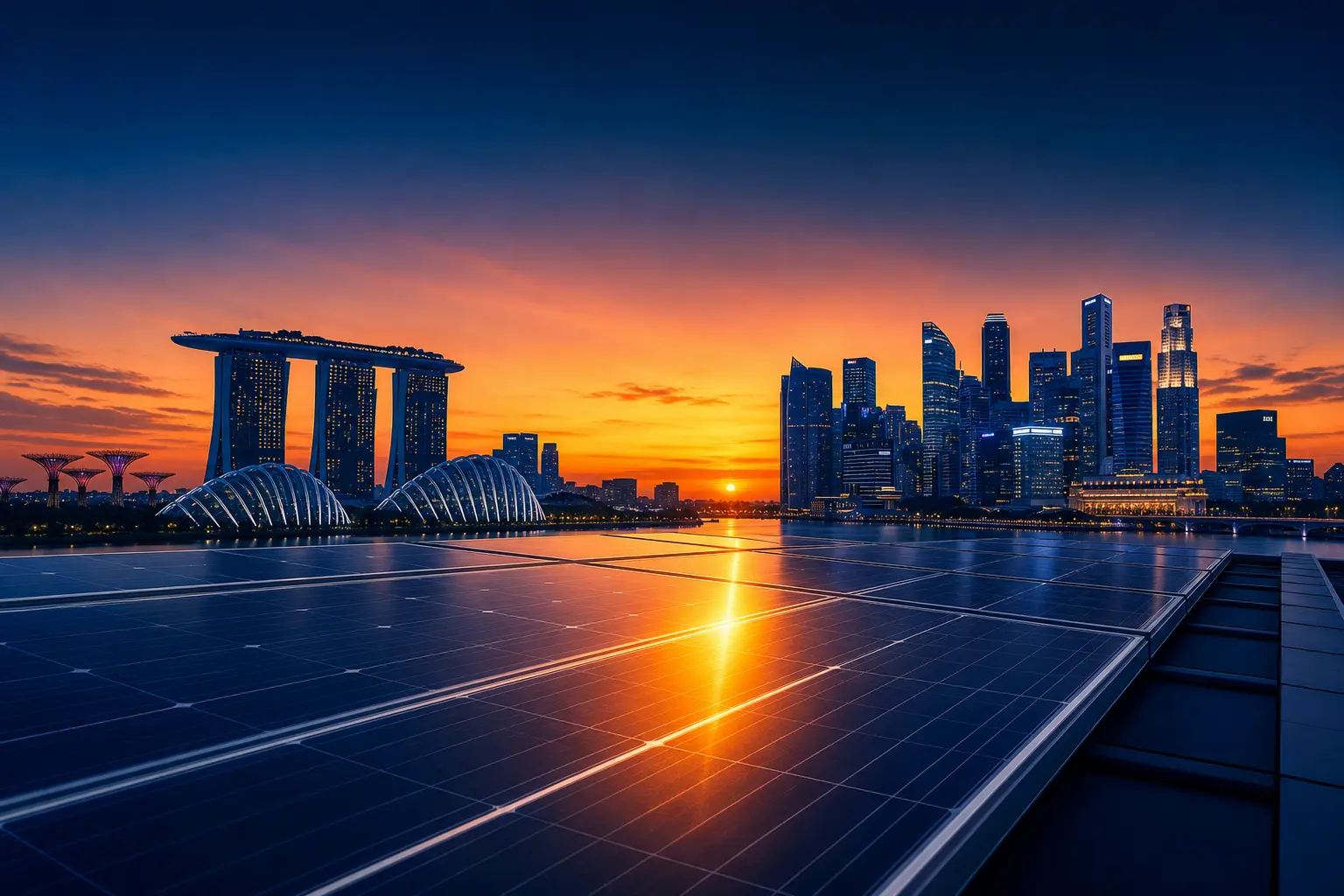
The Evolution of Solar Energy: A Journey Through Time
Solar energy, harnessed from the sun’s rays, has a storied history that stretches back thousands of years. From ancient solar techniques to cutting-edge technologies, solar energy has evolved significantly, shaping the way we think about and use renewable resources today.
Ancient Beginnings: The Origins of Solar Energy
The use of solar energy dates back to ancient civilizations. The Egyptians, Greeks, and Romans used passive solar design in their architecture. For instance, the ancient Greeks built homes with large south-facing windows to capture sunlight for warmth during the colder months. In ancient Rome, architect Vitruvius described the use of sunlight in building design to maximize natural light.
Did You Know?
The term “solar energy” comes from the Latin word “sol,” which means sun. Ancient cultures revered the sun as a vital source of life and energy.
The Birth of Modern Solar Technology
The journey towards modern solar technology began in the 19th century with the discovery of the photovoltaic effect by French physicist Alexandre Edmond Becquerel in 1839. Becquerel's experiments with light-sensitive materials laid the groundwork for solar cell development.
In 1883, Charles Fritts, an American inventor, created the first working solar cell using selenium coated with gold. Though it had a low efficiency of around 1%, it marked the beginning of solar technology as we know it.
Table 1: Milestones in Solar Energy History
| Year | Event | Significance |
|---|---|---|
| 1839 | Photovoltaic effect discovered | Foundational discovery for solar technology |
| 1883 | The first solar cell by Charles Fritts | An early example of converting sunlight to electricity |
| 1954 | Silicon solar cell by Bell Labs | A major advancement in solar technology efficiency |
The Space Age and Solar Energy
The 1960s were pivotal for solar energy, as NASA utilized solar panels to power satellites and spacecraft. This era demonstrated solar technology's potential beyond Earth and accelerated its development for terrestrial applications.
The 1970s energy crisis spurred renewed interest in solar power as an alternative to fossil fuels. Governments and organizations worldwide began investing in research to improve efficiency and reduce costs.
Solar Energy in Asia: A Modern Powerhouse
In recent decades, Asia has emerged as a leader in solar energy production. China, for instance, has become the world's largest producer and installer of solar panels. In 2023, China installed over 70 GW of new solar capacity, significantly boosting its total installed capacity.
India is also making strides, with ambitious targets under its National Solar Mission. The country aims to achieve 100 GW of solar capacity by 2022, with plans to reach 450 GW by 2030. Meanwhile, Japan and South Korea are investing heavily in solar energy as part of their efforts to diversify energy sources and reduce emissions.
Did You Know?
China's Longyangxia Solar Park, with a capacity of 850 MW, is one of the largest solar farms in the world and plays a significant role in the country’s solar energy landscape.
Related Articles: Beginner's Guide to Going Solar | Best Solar Products for Your Home | Solar Installation Step-by-Step | Solar Financing Options